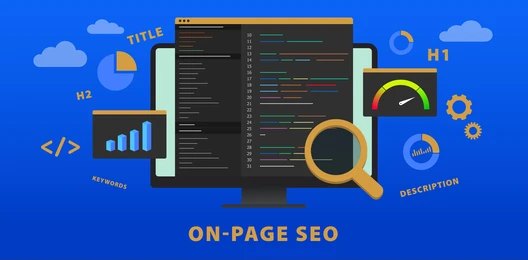
On-page SEO is one of the most important parts of search engine optimization. It refers to everything you do on your website to help search engines understand and rank your content. If you’re just starting with SEO, following a proper on-page checklist can make a big difference in how well your pages perform.
This guide will walk you through a simple and effective on-page SEO checklist that beginners can follow.
What is On-Page SEO?
On-page SEO includes all the optimizations you make directly on your webpage. This covers content, HTML elements, images, and page structure. Unlike off-page SEO (which focuses on backlinks), on-page SEO is completely under your control.
Good on-page SEO helps Google understand what your page is about and improves the chances of ranking higher in search results.
On-Page SEO Checklist for Beginners
Here’s a practical checklist you can follow before publishing any content:
1. Keyword Research and Placement
- Choose one primary keyword for your page
- Use the primary keyword naturally in the title
- Include the keyword in the first paragraph
- Use related keywords and variations throughout the content
- Add the keyword in subheadings where it makes sense
2. Title Tag Optimization
- Keep the title tag between 50–60 characters
- Place the main keyword at the beginning of the title
- Make the title clear and descriptive
- Avoid keyword stuffing in the title
3. Meta Description
- Write a meta description between 150–160 characters
- Include the primary keyword naturally
- Make it compelling to improve click-through rate
- Summarize what the page is about
4. URL Structure
- Keep URLs short and readable
- Include the main keyword in the URL
- Use hyphens to separate words
- Avoid unnecessary parameters and numbers
5. Heading Structure
- Use one H1 tag per page (usually the title)
- Use H2 tags for main sections
- Use H3 tags for sub-sections when needed
- Make headings descriptive and keyword-rich
6. Content Quality and Length
- Write content that fully answers the user’s search intent
- Aim for at least 1000–1500 words for in-depth topics
- Break content into short paragraphs
- Use bullet points and numbered lists for better readability
- Add internal links to other relevant pages on your site
7. Image Optimization
- Use descriptive file names for images
- Add relevant alt text to all images
- Compress images to improve page speed
- Use the primary keyword in alt text when it fits naturally
8. Internal and External Linking
- Add internal links to other pages on your website
- Link to high-quality external sources when needed
- Use descriptive anchor text for links
- Avoid excessive linking that looks spammy
9. Mobile Friendliness
- Make sure your website is mobile responsive
- Test your page on different mobile devices
- Ensure text is readable without zooming
- Check that buttons and links are easy to tap
10. Page Speed Optimization
- Compress images and videos
- Minimize the use of heavy scripts
- Use a fast and reliable hosting provider
- Enable browser caching
- Test your page speed using free tools like Google PageSpeed Insights
11. Schema Markup (Optional but Recommended)
- Add basic schema markup if possible
- Use Article schema for blog posts
- Help search engines understand your content better
Final Thoughts
On-page SEO is not about doing everything perfectly in one go. Start with the basics like keyword placement, title tags, meta descriptions, and content quality. Once you become comfortable with these, you can move on to more advanced optimizations like schema markup and page speed improvements.
Following this on-page SEO checklist consistently will help you create better-optimized content that has a higher chance of ranking on Google.